You Won’t Believe What’s Hiding in Bled’s Quiet Corners
Bled, Slovenia, isn’t just about that fairytale lake and island church everyone posts on Instagram. I went searching for something deeper—and found a world of quiet creativity, centuries-old crafts, and local artists keeping traditions alive. This isn’t your typical tourist guide. It’s a real look at the soul of a place most only glance at. If you’ve ever wanted to feel a destination, not just see it, Bled’s art and culture scene will surprise you. Beyond the mirror-like waters and postcard views lies a living heritage shaped by Alpine rhythms, family hands, and seasonal rituals passed down for generations. This is a journey into the quiet corners where culture breathes.
Beyond the Postcard: Bled’s Cultural Heartbeat
Bled is often reduced to a single image: a serene lake cradled by forested hills, a tiny island crowned with a baroque church, and a medieval castle perched on a cliff. It’s a vision so iconic it appears on postcards, travel brochures, and social media feeds around the world. Yet this picturesque surface tells only part of the story. Behind the polished façade is a cultural heartbeat—steady, enduring, and deeply human. To truly understand Bled, one must look beyond the lakefront promenade and listen for the hum of tradition in village workshops, mountain homes, and quiet chapels tucked into the hills.
The town’s identity is shaped by its unique geographic crossroads. Nestled in the Julian Alps near the Austrian and Italian borders, Bled reflects a blend of Alpine practicality, Mediterranean warmth, and Central European elegance. This confluence is evident not only in architecture and cuisine but in the values that guide daily life—respect for nature, pride in craftsmanship, and a deep sense of community. These qualities form the foundation of Bled’s cultural resilience, allowing traditions to endure even as tourism grows.
Understanding local culture transforms a visit from passive sightseeing to meaningful connection. When travelers engage with the stories behind the scenery—the hands that carved a wooden spoon, the family that still makes honey from mountain hives—they begin to see Bled not as a destination but as a living community. This shift in perspective fosters appreciation, encourages respectful interaction, and supports sustainable tourism. The real reward isn’t a perfect photo; it’s the quiet moment when you realize you’ve touched something timeless.
The Craft of Tradition: Handmade Heritage in Slovenian Life
In a world of mass production, Slovenia holds fast to the value of handmade. Around Bled, traditional crafts are not museum relics but living practices, nurtured in homes, studios, and village workshops. Woodcarving, beekeeping, and lace-making are more than hobbies—they are expressions of identity, passed from parent to child with care and pride. These crafts embody a philosophy of patience, precision, and harmony with nature, qualities that define Slovenian rural life.
Woodcarving, in particular, remains a revered art form. Local artisans shape alpine timber into intricate religious figures, decorative panels, and functional household items. In family-run workshops, visitors may witness the slow, meditative process of carving by hand, where each stroke follows the grain of the wood. Some carvers specialize in religious iconography, creating altarpieces and saints for churches across the region. Others focus on folk motifs—stylized flowers, animals, and geometric patterns—that reflect centuries of Alpine symbolism.
Beekeeping is another deeply rooted tradition. Slovenia is the birthplace of modern beekeeping, thanks to Anton Janša, an 18th-century pioneer from the nearby village of Breznica. Today, Bled’s surrounding countryside is dotted with painted beehive panels—small, colorful artworks that adorn the fronts of hives. These panels once served as identification for illiterate beekeepers and now stand as a unique folk art form. Local apiaries welcome visitors to learn about sustainable beekeeping practices and sample raw forest honey, rich with the flavors of alpine herbs and wildflowers.
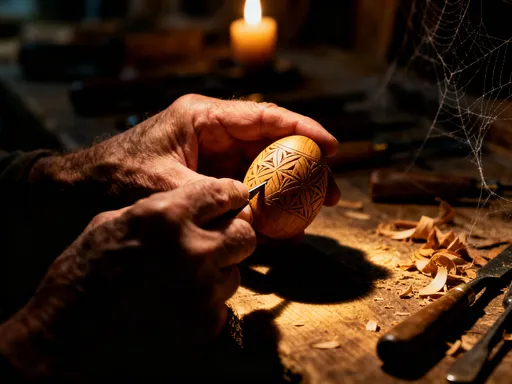
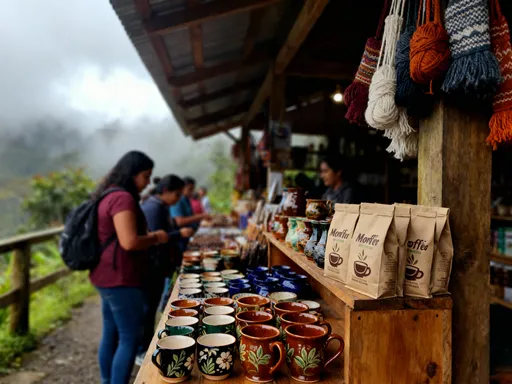
One of the most delicate crafts is uršljanje, the art of decorative egg carving. Using fine tools, artisans etch intricate patterns into chicken or goose eggs, often inspired by nature, folklore, or religious themes. These eggs are not merely decorative; they carry symbolic meaning, representing renewal, fertility, and celebration. Hand-painted ceramics are also cherished, with local potters using natural clays and traditional glazes to create functional art—mugs, plates, and vases adorned with floral or pastoral scenes.
Travelers can experience these crafts firsthand by visiting small studios or attending seasonal craft fairs. Many artisans welcome respectful observation and offer hands-on demonstrations. The key is to approach with curiosity and humility, recognizing that these skills are the result of years of dedication. Purchasing directly from creators not only supports their livelihood but also helps preserve these traditions for future generations.
Art Where You Least Expect It: Hidden Galleries and Street Creativity
While Bled’s natural beauty draws the eye, its artistic spirit thrives in unexpected places. Beyond the main tourist paths, independent galleries, pop-up exhibitions, and open-air installations offer a glimpse into the creative pulse of the region. These spaces are often modest—a converted barn, a corner shop turned studio, a quiet courtyard in a village—but they radiate authenticity. Here, art is not curated for mass appeal but born from personal vision and local inspiration.
In the nearby village of Gorjuša, for instance, a small gallery showcases the work of regional painters who capture the changing light of the Alps, the stillness of mountain lakes, and the textures of rural life. Their palettes favor earth tones, soft greens, and misty grays, mirroring the natural environment. In Bled itself, side streets lead to artist-run spaces where photography, textile art, and sculpture are displayed with quiet confidence. These venues often operate seasonally, aligning with the rhythms of tourism and agriculture.
Nature is both muse and medium for many local artists. Some create land art using stones, branches, and moss, arranging them into temporary installations along forest trails. Others paint on reclaimed wood or weave textiles from locally sourced wool. The annual Art Trail Bled–Radovljica invites visitors to explore this creative network, connecting studios, galleries, and open workshops across two historic towns. Held each summer, the event encourages slow, intentional travel, where the journey between locations becomes part of the experience.
Finding these authentic art experiences requires a shift in mindset. Instead of seeking famous names or polished galleries, travelers are encouraged to follow local signs, ask shopkeepers for recommendations, and wander without a strict itinerary. Many artists welcome conversation, offering insights into their techniques and inspirations. The reward is not just a unique piece of art but a personal connection to the creator and their community.
Responsible engagement means respecting the space and the artist’s time. Photography should be discreet and permission-based. Purchases, when made, should reflect genuine appreciation rather than impulse. By supporting independent creators, visitors contribute to a cultural ecosystem that values authenticity over commercialism.
Festivals That Tell Stories: Culture in Motion
In Bled and its surrounding villages, culture is not static—it moves, sings, and dances through the seasons. Local festivals serve as living archives, preserving oral traditions, folk music, and ancestral customs in vibrant, communal celebrations. These events are not staged for tourists but rooted in genuine community life, where generations gather to honor the rhythms of nature, faith, and heritage.
The Bled Festival, held each summer, is one of the region’s most enduring cultural events. Though it includes classical music performances in the castle courtyard, its heart lies in the folk ensembles that take the stage—groups in traditional dress playing fiddles, accordions, and flutes. Their melodies echo through the valley, carrying stories of love, labor, and longing. The festival also features craft demonstrations, local food stalls, and dance workshops, inviting visitors to participate rather than simply observe.
Equally significant is the Kresnik Summer Festival, named after a mythical South Slavic hero associated with summer solstice fires. Celebrated in nearby settlements, this event blends pagan and Christian traditions, featuring bonfires, processions, and theatrical performances. Locals dress in historic costumes, some dating back over a century, embroidered with regional patterns that signify village identity. The dances performed—often in circles or intricate formations—are more than entertainment; they are acts of remembrance, teaching younger generations the steps of their ancestors.
Seasonal rituals also mark the agricultural calendar. In spring, villages celebrate the return of shepherds from winter pastures with music and feasting. In autumn, grape and apple harvests are honored with local wines and ciders shared among neighbors. These gatherings reinforce social bonds and express gratitude for nature’s gifts.
For travelers, timing a visit to coincide with a cultural festival can transform a trip into a meaningful encounter. However, it is essential to approach these events with respect. Observing quietly, dressing modestly, and following local customs—such as not interrupting ceremonies or photographing without consent—ensures that tourism enhances rather than disrupts community life. The goal is not to be a spectator but a respectful guest in a shared moment of tradition.
Sacred Spaces as Art: Churches, Chapels, and Symbolism
The Church of the Assumption on Bled Island is one of Slovenia’s most photographed landmarks. Yet beyond its postcard perfection, it is a living work of sacred art. Every element—from the frescoes on its dome to the hand-carved wooden pulpit—carries symbolic meaning. The tradition of ringing the church bell, believed to grant wishes when done with a pure heart, is not just a tourist ritual but a centuries-old expression of faith and hope. Pilgrims have visited this site for over 900 years, drawn by its spiritual aura and architectural grace.
Inside, the church’s interior reveals a rich tapestry of religious art. The baroque altar, gilded and ornate, frames a painting of the Virgin Mary. Wall frescoes depict biblical scenes in vivid detail, their colors softened by time. The wooden pews, worn smooth by generations of worshippers, bear silent witness to countless prayers. Even the boatmen who row visitors to the island are part of this sacred continuity, some families having served in this role for decades.
Yet the island church is only one of many sacred spaces in the region. Scattered across the hills are small stone chapels, each unique in design and decoration. The Chapel of St. Lucy in Mlaka, for example, features a simple bell tower and a frescoed façade depicting saints and seasonal motifs. These chapels, often maintained by local families, serve as quiet places of reflection and community prayer. Their art is humble but heartfelt—hand-painted icons, woven altar cloths, and wildflower arrangements that change with the seasons.
For visitors, engaging with these spaces requires reverence. Entering a church or chapel means dressing modestly, speaking softly, and refraining from flash photography. Participation in services, when invited, should be done with sincerity and awareness. The goal is not to consume spirituality as a spectacle but to honor it as a living tradition. In these moments of quiet presence, travelers may find a deeper connection—not just to a place, but to the human need for meaning and beauty.
Taste as Culture: How Food Tells Bled’s Story
In Bled, cuisine is more than sustenance—it is memory made edible. Each dish carries the imprint of geography, history, and family. The famous kremna rezina, or creamy slice, is more than a dessert; it is a symbol of local pride. Invented at the Park Hotel in the 1950s, this delicate pastry—layers of crisp puff pastry and vanilla custard topped with whipped cream—has become a national treasure. Locals debate the ideal ratio of cream to crust, and bakeries take great care in preserving the original recipe.
Equally iconic is potica, a rolled nut pastry traditionally made for holidays. Unlike mass-produced versions, authentic potica is made by hand, with dough stretched paper-thin and layered with a filling of ground walnuts, honey, and spices. Each family has its own variation—some add raisins, others use poppy seeds or tarragon. In mountain huts and village homes, the process of making potica is a ritual, often involving multiple generations working together in the kitchen.
The ingredients themselves tell a story of place. Alpine herbs like mountain thyme and wild mint flavor soups and cheeses. Freshwater fish from Lake Bled, such as trout and char, are grilled simply with butter and lemon. Honey, harvested from highland hives, carries the essence of blooming linden and chestnut trees. Even the water—filtered through limestone and snowmelt—adds clarity and softness to bread and beer.
To taste Bled authentically, travelers are encouraged to visit family-run bakeries, farmers’ markets, and mountain dairy huts. These small enterprises prioritize quality and tradition over speed and scale. A breakfast of homemade bread, fresh cheese, and honey at a local inn offers a more intimate experience than any fine-dining restaurant. Cooking workshops, where visitors learn to make potica or herbal teas, provide both skill and connection.
Supporting local food artisans is not just a culinary choice but an ethical one. It sustains rural economies, preserves traditional knowledge, and reduces environmental impact. When travelers choose food grown, made, and shared by locals, they become part of a culture rather than merely passing through it.
Traveler’s Guide to Meaningful Engagement
Discovering Bled’s cultural depth requires intention. It means slowing down, listening closely, and approaching the destination as a guest rather than a consumer. The most rewarding experiences often arise not from guidebooks but from chance encounters—conversations with a potter, a shared meal with a family, a quiet moment in a hillside chapel. To foster these moments, travelers can follow a few simple principles.
First, practice slow travel. Instead of rushing from landmark to landmark, spend time in one place. Walk the lesser-known trails, sit in a village square, visit a local market. Allow space for spontaneity. Second, be mindful of photography. While capturing memories is natural, it’s important to ask permission before photographing people, religious sites, or private property. Avoid intrusive behavior, especially during ceremonies or family gatherings.
Third, support local creators. Purchase crafts, food, and art directly from makers. Stay in family-run accommodations. Dine at small restaurants that source ingredients locally. These choices have a direct, positive impact on the community. Fourth, respect cultural norms. Dress modestly in religious spaces, speak quietly in sacred sites, and follow local customs even if they differ from your own.
Finally, cultivate curiosity. Ask questions with genuine interest. Learn a few words of Slovenian—such as hvala (thank you) or lep dan (have a nice day). Listen more than you speak. When you approach a culture with openness and humility, you are more likely to be welcomed in return.
Avoid the checklist mentality. Bled is not a series of boxes to tick but a living, breathing place with its own rhythms and values. By stepping beyond the surface, travelers can find a deeper kind of beauty—one that stays with you long after the photos fade.
Bled’s true magic lies not in its picture-perfect surface, but in the quiet moments where art, history, and daily life intersect. By stepping beyond the lakefront, travelers can discover a living culture shaped by hands, hearts, and generations of story. This is travel with depth—where every craft, melody, and flavor invites you in. Let Bled be more than a stop. Let it be a story you carry home.