Soul of the East: Where Dresden’s Districts Whisper History
Have you ever walked through a city and felt like each neighborhood was telling its own story? That’s Dresden for you—reborn from ashes, yet deeply rooted in culture. From the baroque elegance of the Altstadt to the bohemian buzz of Neustadt, every district carries a distinct rhythm. This isn’t just sightseeing—it’s soul-connecting. Dresden’s revival after World War II did not erase its past; instead, it layered new meaning over old foundations. The city stands today not as a museum piece, but as a living dialogue between history and renewal. For travelers seeking depth beyond postcard views, Dresden offers a rare experience: a place where memory walks hand in hand with modern life, where every street corner hums with quiet resilience and creative energy.
The Heartbeat of History: Altstadt – Baroque Dreams on the Elbe
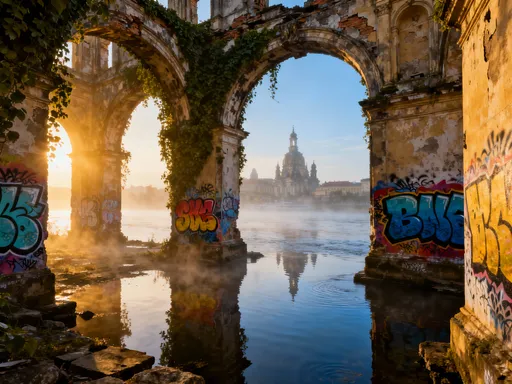
Dresden’s Altstadt, or Old Town, is the city’s historical and emotional core. Lying along the gentle curve of the Elbe River, this district pulses with the grandeur of Saxony’s royal legacy. Its skyline, dominated by the green-capped dome of the Frauenkirche, rises like a symbol of endurance. Destroyed during the bombing of February 1945, the church was meticulously reconstructed using original stones where possible, completed in 2005 as a powerful act of reconciliation and remembrance. Visitors standing beneath its vast interior feel not only the architectural awe of its acoustics and scale but also the weight of its message: that beauty can be restored, and faith can rebuild.
Just a short walk away lies the Zwinger Palace, a masterpiece of baroque architecture designed by Matthäus Daniel Pöppelmann in the early 18th century. Once a royal orangery and festival arena, it now houses some of Germany’s most treasured art collections, including the Old Masters Picture Gallery and the Porcelain Collection. Families and art lovers alike spend hours wandering through its sculpted courtyards and ornate galleries. The Nymphenbad fountain, carved with mythological figures, seems to whisper stories of courtly life, while the Crown Gate, adorned with golden laurels, speaks of power and prestige. The Zwinger is more than a museum—it is a living stage where history continues to perform.
Equally significant is the Semperoper, the city’s iconic opera house. Rebuilt three times due to fire and war, it remains one of Europe’s most revered venues for classical music and performance. Attending a performance here is not merely entertainment; it is participation in a cultural tradition that has survived destruction and displacement. The surrounding Theaterplatz connects these landmarks into a seamless narrative of artistic devotion. A recommended walking route begins at the Augustus Bridge, crosses into the Neumarkt square beneath the Frauenkirche, continues through the Zwinger, and ends at the opera house—offering a journey through over three centuries of architectural and cultural evolution.
One cannot speak of the Altstadt without mentioning the Fürstenzug, or Procession of Princes—a 102-meter-long porcelain mural depicting the Wettin dynasty’s rulers on horseback. Made from over 23,000 Meissen porcelain tiles, it is the largest porcelain artwork in the world. Created between 1871 and 1876, it survived the war because its materials withstood the heat of the bombings. Today, it serves as both a historical timeline and a tribute to craftsmanship. For visitors, especially those interested in heritage and royal lineage, this open-air frieze offers a vivid, tangible connection to the past. The Altstadt, therefore, is not simply a collection of rebuilt monuments. It is the soul of Dresden—preserved with reverence, yet alive with daily life, tourism, and cultural celebration.
Neustadt’s Rebel Pulse: Art, Music, and Street Soul
Across the Elbe River, the district of Äußere Neustadt beats to a different rhythm—one defined by independence, creativity, and grassroots energy. Once a neglected and war-damaged neighborhood, Neustadt has transformed into one of Germany’s most vibrant urban renewal success stories. In the 1990s, artists, musicians, and young activists began reclaiming abandoned buildings, turning them into studios, galleries, and alternative living spaces. This organic movement gave rise to a culture of self-expression that remains strong today. Walking through its narrow streets lined with colorful murals and graffiti, one senses a city breathing freely, unafraid to show its edges and imperfections.
The heart of Neustadt’s identity lies in its street art. Unlike curated public installations, much of the artwork here emerges spontaneously, reflecting social commentary, political satire, or pure whimsy. Entire building facades become canvases, with pieces changing over time as new voices contribute. The annual Urban Nation mural festival has further elevated the district’s profile, attracting international artists while still preserving local character. Beyond visuals, Neustadt thrives through sound. Small music venues like Schlachthof and Beatpol host indie bands, jazz ensembles, and electronic acts, drawing crowds who value authenticity over spectacle. These spaces are not commercialized; they operate as community hubs where music, conversation, and activism intersect.
Shopping in Neustadt is an adventure in individuality. Instead of chain stores, visitors find independent boutiques selling handmade jewelry, vintage clothing, eco-friendly products, and locally crafted goods. The famous Neustadt flea market, held every Saturday on Alaunplatz, draws thousands. Stalls overflow with antiques, books, records, and quirky collectibles—each item carrying its own story. Families browse together, children chase bubbles between tents, and street performers add to the festive atmosphere. It’s a place where discovery is rewarded, and every purchase feels personal.
Cafés and restaurants here reflect the same spirit of innovation. From vegan bakeries to global fusion kitchens, Neustadt’s dining scene caters to conscious consumers who care about sustainability and ethical sourcing. Places like Café Taubenhaus and Bastille Café offer cozy interiors, fair-trade coffee, and homemade cakes, often accompanied by poetry readings or live acoustic sets. The district’s culture is inclusive, welcoming people from all walks of life without pretense. Annual events such as the Dresden Music Festival and the Long Night of Democracy further strengthen community bonds, blending art, civic engagement, and celebration. Neustadt proves that cultural revival doesn’t require grand architecture—it can grow from the ground up, nurtured by passion and participation.
Blaues Wunder and Beyond: Loschwitz’s Elegant Ascent
Perched on the forested slopes above the Elbe, the district of Loschwitz offers a quieter, more refined side of Dresden. Known for its Belle Époque villas and sweeping river views, it has long been a retreat for artists, intellectuals, and diplomats. The centerpiece of the area is the Blaues Wunder, or Blue Wonder—a striking steel bridge completed in 1893 that spans the Elbe without river piers, allowing unobstructed ship passage. Still painted in its original blue hue, the bridge is both an engineering marvel and a beloved city symbol. Locals stroll across it daily, while photographers capture its elegant curve at sunrise and sunset.
Connected to Loschwitz is the historic funicular railway, the Standseilbahn, which has been ferrying passengers up the steep hill since 1895. Riding this charming, manually operated train feels like stepping into another era. At the top, the neighborhood unfolds with tree-lined avenues, pastel-colored homes, and hidden gardens. Many of the villas were built during the late 19th and early 20th centuries, reflecting architectural styles from Neoclassical to Art Nouveau. Though some now serve as embassies or cultural centers, others remain private residences, contributing to the area’s residential tranquility.
Culture in Loschwitz is subtle but profound. The Körner Museum, located in the former home of theater director Wilhelm Körner, preserves personal artifacts, stage designs, and letters, offering insight into Germany’s theatrical heritage. Meanwhile, the nearby Dresdner Parkeisenbahn, a miniature railway run entirely by volunteers—including many teenagers—has been operating since 1950. It’s a testament to community dedication and intergenerational involvement, delighting families and train enthusiasts alike. The park surrounding it, Villa Tenne, provides open lawns, playgrounds, and shaded paths, ideal for picnics and leisurely afternoons.
What makes Loschwitz special is its balance—between nature and urban life, history and modern comfort. It’s close enough to the city center to be accessible, yet removed enough to offer peace. Hiking trails wind through the Loschwitz Vineyards and into the Dresden Heath, inviting outdoor exploration. The district’s preservation efforts ensure that new developments respect the existing character, avoiding over-commercialization. For visitors seeking respite from the bustle of the Altstadt or the energy of Neustadt, Loschwitz offers a graceful alternative—a place where elegance rises quietly with the hills.
Pillnitz: Where the Palace Meets the River
Further south along the Elbe, the district of Pillnitz unfolds like a pastoral dream. Once a summer residence for the Saxon kings, Pillnitz Palace and its expansive gardens remain one of Dresden’s most enchanting destinations. The complex blends architectural influences from across Europe, with Chinese and Japanese-inspired wings reflecting the 18th-century fascination with the East. The Water Palace faces the river, the Hillside Palace climbs the vineyard-covered slope, and the New Palace anchors the northern end—each connected by terraced gardens, fountains, and shaded walkways.
The gardens are the true highlight, covering over 28 hectares of landscaped beauty. Divided into formal Baroque sections and a more natural English-style park, they offer variety and serenity. In spring, cherry blossoms and tulips burst into color; in summer, roses bloom in intricate patterns; in autumn, the trees turn gold and crimson. The Palm House, a grand greenhouse built in the 19th century, shelters exotic plants and citrus trees, creating a warm, fragrant oasis even in cooler months. Families wander through the maze, children chase butterflies, and couples find quiet benches overlooking the water.
Pillnitz comes alive during the annual Palace Festival, a weekend event that transforms the grounds into a living history exhibit. Performers in period costumes reenact court life, musicians play baroque ensembles, and artisans demonstrate traditional crafts. Horse-drawn carriages circle the park, and food stalls serve regional specialties like Saxon dumplings and smoked fish. The festival draws tens of thousands, yet maintains a warm, communal atmosphere. It’s not a spectacle designed for tourists alone—it’s a celebration embraced by locals, many of whom return year after year with picnic baskets and folding chairs.
Beyond the palace, Pillnitz embodies a culture of slow living. Cycling paths follow the river, connecting to longer routes that stretch into the countryside. Kayaking and paddleboarding have grown in popularity, allowing visitors to experience the Elbe from the water. Riverside cafes serve fresh fruit juices and homemade cakes, encouraging long, unhurried afternoons. The district’s rhythm is gentle, shaped by seasons and sunlight rather than schedules. For those wanting to escape urban intensity, Pillnitz offers a harmonious blend of nature, history, and relaxation—a place where time slows, and the soul recharges.
Friedrichstadt: The Quiet Bridge Between Eras
Often overlooked by tourists, Friedrichstadt is a district that quietly embodies Dresden’s postwar transformation. Located just east of the Altstadt, it was heavily damaged during the 1945 bombings and rebuilt in the following decades with functional, modernist architecture. Unlike the ornate revival of the Old Town, Friedrichstadt’s aesthetic is understated—characterized by clean lines, open plazas, and residential blocks designed for livability. Yet within this simplicity lies a deeper story of resilience and adaptation.
One of the district’s most meaningful features is the Uferkunstweg, or Riverside Art Path—a series of sculptures, installations, and murals placed along the Elbe embankment. Created by East German artists after reunification, these works reflect themes of memory, identity, and hope. A bronze figure reaching toward the sky, a wall inscribed with poetry, a mosaic made from shattered tiles—each piece invites contemplation. The path is not grand or dramatic, but its cumulative effect is powerful. It turns a simple riverside walk into a meditation on what it means to rebuild a city and a culture.
Small galleries and cultural spaces have also taken root in Friedrichstadt. The Galerie im Körnerpark hosts rotating exhibitions of contemporary East German art, offering a platform for voices that were once marginalized. Community workshops, film screenings, and poetry readings foster dialogue and connection. Though less flashy than Neustadt’s scene, this cultural activity is no less vital. It represents a quieter form of expression—one that values reflection over rebellion, continuity over disruption.
Friedrichstadt’s significance lies in its role as a connector. It links the historic core with newer residential areas, the Elbe River with inland neighborhoods, the past with the present. It may not have the grandeur of the Zwinger or the energy of the flea market, but it offers something equally important: authenticity. Here, Dresden is not performing for visitors. It is simply living—ordinary, evolving, and honest. For travelers willing to look beyond the highlights, Friedrichstadt reveals the quiet strength of everyday resilience.
Plauen and Hellerau: Harmony of Nature, Industry, and Design
In the southern reaches of Dresden, the districts of Plauen and Hellerau present a unique fusion of green space, industrial heritage, and progressive design. Plauen, with its rolling hills and dense forests, is home to the Dresden Heath—one of Europe’s largest contiguous urban woodlands. Trails wind through beech and pine trees, leading to hidden clearings, observation towers, and natural springs. Families hike, cyclists ride, and mushroom foragers search in autumn. The area’s tranquility belies its proximity to the city—just a short tram ride from the center, yet feeling worlds away.
Nestled within this green landscape is Hellerau, a planned garden city founded in 1909 as a model for humane urban living. Inspired by the English Garden City movement, it was designed to combine clean housing, green spaces, and access to culture. The architecture reflects early modernist principles, with functional homes, shared courtyards, and pedestrian-friendly streets. Today, Hellerau is a UNESCO-recognized site of cultural significance, not only for its urban planning but for its role in the arts.
The Festspielhaus, or Festival House, stands at the heart of Hellerau’s legacy. Built as a venue for theater and dance, it became a center for the European modern dance movement in the early 20th century, influenced by Émile Jaques-Dalcroze’s rhythmic education system. Though its international prominence waned after World War I, the building has been restored and now hosts performances, exhibitions, and educational programs. It remains a space where art and pedagogy intersect, continuing its original mission of cultural enrichment.
Modern Hellerau balances preservation with innovation. Former factory buildings have been repurposed into creative studios, coworking spaces, and exhibition halls. The annual Hellerau Festival celebrates contemporary performance, drawing artists and audiences from across Europe. Meanwhile, community gardens and sustainability initiatives reflect a commitment to ecological living. Plauen and Hellerau together offer a vision of urban life in harmony with nature and history—a reminder that progress need not come at the expense of beauty or well-being.
Why Dresden’s Districts Matter: A Mosaic of Memory and Motion
Dresden is more than the sum of its landmarks. Its true essence lies in the contrast and connection between its districts—each with its own texture, tempo, and tale. The Altstadt carries the weight of history with dignity; Neustadt pulses with creative defiance; Loschwitz offers refined retreat; Pillnitz breathes the calm of nature and tradition; Friedrichstadt embodies quiet resilience; Plauen and Hellerau envision a balanced future. Together, they form a mosaic that reflects not only the city’s past but its ongoing journey of renewal.
What makes Dresden exceptional is not just its recovery from destruction, but how it has chosen to remember. There is no erasure, no denial. Instead, there is integration—of old and new, sacred and secular, public and private. The city teaches that healing is not about forgetting, but about building with intention, honoring what was lost while embracing what can be. This lesson resonates deeply with travelers, especially those who have known personal loss or transformation.
For the 30- to 55-year-old woman—often balancing family, work, and self—Dresden offers more than a vacation. It offers reflection. Walking through its districts, one feels the presence of generations who rebuilt, created, and persisted. The experience is not passive; it invites participation. Whether sketching a mural in Neustadt, sipping tea in Pillnitz, or meditating on the Uferkunstweg, visitors are encouraged to listen—to the whispers of history, the rhythms of community, the quiet voice within.
True travel, Dresden reminds us, is not about checking destinations off a list. It is about presence. It is about allowing a place to shape you, even briefly. It is about finding beauty in restoration, strength in vulnerability, and connection in diversity. So come not just to see Dresden, but to feel it. Wander beyond the guidebooks. Sit on a bench by the Elbe. Let the city speak. And in its many voices, you may just hear your own.