You Won’t Believe These Hidden Gems in Jeonju’s Protected Zones
Jeonju isn’t just about bibimbap and hanok villages—its protected natural areas are quietly stealing the spotlight. I went looking for peace and ended up finding some of the most instagrammable landscapes in South Korea. From misty forests to quiet riverside trails, these conservation zones offer beauty with purpose. What makes them even better? They’re still under the radar. If you’re chasing authenticity and stunning visuals without the crowds, this is your sign to explore deeper.
Discovering Jeonju Beyond the Postcard
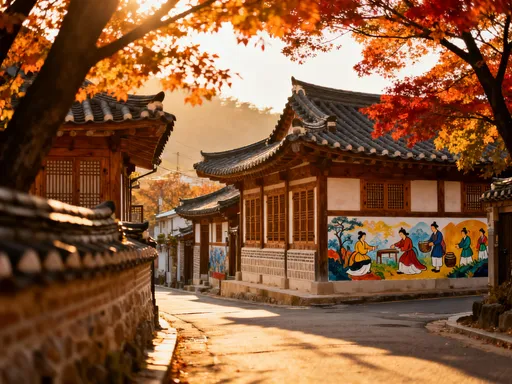
When most travelers think of Jeonju, their minds drift to narrow alleys lined with traditional Korean houses, steaming bowls of mixed rice topped with vibrant vegetables, and the gentle chime of wind bells swaying above wooden eaves. While the Jeonju Hanok Village remains a crown jewel of cultural heritage, the city’s true depth unfolds beyond its postcard-perfect scenes. Nestled in the folds of its urban landscape are carefully preserved natural spaces—protected zones that balance ecological integrity with quiet accessibility. These areas invite visitors to experience a different rhythm, one shaped by rustling leaves, flowing water, and the soft crunch of gravel underfoot rather than bustling marketplaces and guided tours.
What sets Jeonju apart is its seamless integration of culture and conservation. The city doesn’t treat nature as a distant escape but as an essential thread woven into daily life. Protected forests, river corridors, and wetlands exist within easy reach of historic neighborhoods, allowing residents and travelers alike to transition from temple visits to tree-lined strolls in minutes. This blend appeals especially to those seeking meaningful travel—experiences that nourish the soul without draining energy. As global interest shifts toward eco-conscious tourism, Jeonju’s commitment to preserving these green sanctuaries positions it as a model for sustainable city exploration.
Modern travelers increasingly value authenticity over convenience. They’re less drawn to crowded attractions with timed entries and more captivated by places where time slows down and beauty feels unscripted. Jeonju’s protected zones deliver exactly that. Here, there are no admission tickets, no loudspeaker announcements, and rarely even signage beyond simple trail markers. Instead, visitors encounter raw, unfiltered nature—moss-covered stones along shaded paths, kingfishers darting above slow-moving streams, and sunlight filtering through canopy layers in golden streaks. These moments don’t need embellishment; they speak for themselves.
Why Protected Areas Matter in Korean Travel
In South Korea, protected areas serve as vital guardians of ecological balance. These zones—designated as ecological conservation areas, scenic protection belts, or riverfront green corridors—are legally maintained to preserve biodiversity, protect water sources, and mitigate urban heat. Unlike national parks, which often draw heavy visitation, many of these urban-adjacent reserves are managed with restraint, prioritizing long-term sustainability over mass tourism. Their existence reflects a growing national awareness that natural beauty is not infinite and must be actively safeguarded.
One of the most compelling reasons to visit these spaces is the quality of the experience they offer. Because development is restricted, air tends to be fresher, water cleaner, and soundscapes more peaceful. Birdsong replaces traffic noise, and the scent of damp earth lingers after morning dew. These sensory details may seem small, but they profoundly affect well-being. Studies conducted by Korea’s Ministry of Environment have shown that even short exposures to protected green spaces can reduce stress markers and improve mood. For travelers, this means not just seeing nature—but feeling it.
Moreover, protection status ensures that plant and animal life continue to thrive. In Jeonju’s river corridors, for instance, native species like the Korean minnow and water celery flourish in restored habitats. Riparian buffers prevent soil erosion and filter pollutants before they reach the water, maintaining clarity and supporting aquatic ecosystems. Seasonal changes unfold naturally: reeds bloom in spring, lotus flowers float on ponds in summer, and ginkgo trees turn brilliant yellow in autumn. These cycles aren’t staged for visitors—they are real, ongoing processes that unfold with quiet dignity.
The value of these spaces extends beyond environmental health. They also enhance the traveler’s journey by offering contrast. After hours of cultural immersion—learning about Joseon-era architecture or sampling fermented kimchi—stepping into a protected forest provides mental reset. It allows space for reflection, for breathing deeply, for remembering that travel isn’t just about collecting sights but about connecting with place. When nature is preserved with intention, it becomes not just a backdrop but a partner in the travel experience.
Jeonju’s Best-Kept Natural Escapes
While Deokjin Park often appears on tourist maps, few venture beyond its central lotus pond to explore the quieter, protected stretches that border the Dongjin River. Just a fifteen-minute walk from the park’s main entrance, the landscape softens. Concrete pathways give way to packed earth trails shaded by alder and willow trees. This riverside corridor, officially part of Jeonju’s ecological network, remains remarkably uncrowded, even on weekends. Morning visitors might share the path only with elderly locals practicing tai chi or fishermen casting lines into slow-moving currents.
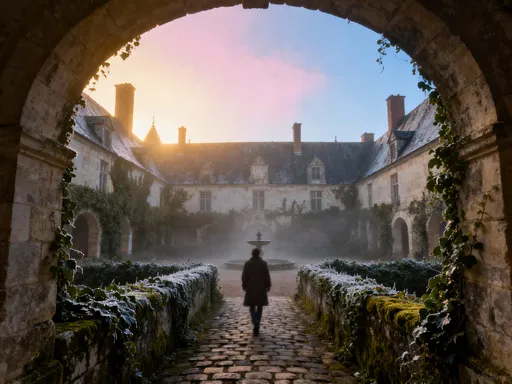
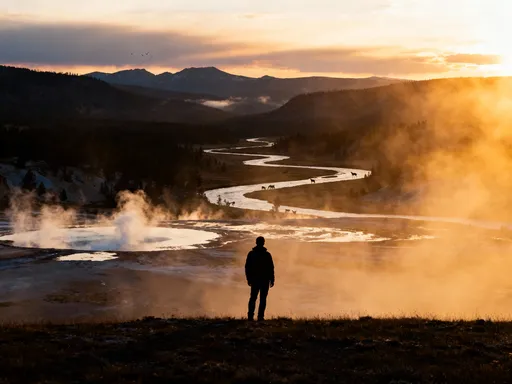
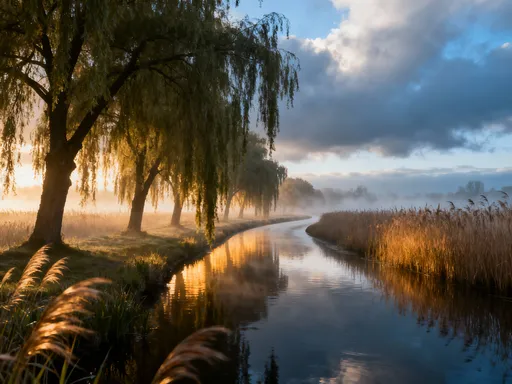
The magic of this area intensifies at golden hour. As the sun dips behind tree lines, light spills across the water in liquid amber, reflecting silhouettes of overhanging branches. Mist often rises in late autumn and early spring, curling like smoke above the surface. Along the banks, clusters of reeds sway gently, their feathery tops catching the breeze. Wildflowers bloom in patches—purple irises in June, white asters in September—adding subtle color to the green tapestry. Birdwatchers may spot grey herons standing motionless in shallow water or hear the call of the oriental magpie, a national symbol known for its bold plumage and curious nature.
Another hidden gem lies along the Palbok River’s upper corridor, where the city’s urban footprint thins into farmland and forested hills. This stretch, less formalized than Deokjin but equally protected, follows a meandering course through rice paddies and lowland woods. Wooden footbridges cross narrow channels, connecting trails that loop through bamboo groves and past small shrines tucked beneath rocky outcrops. Because it lacks commercial amenities, this area sees fewer tourists, yet its accessibility by public bus makes it feasible for independent explorers.
Seasonal shifts define the rhythm here. In spring, cherry blossoms drift onto the water’s surface like confetti, while in summer, dragonflies hover above floating duckweed. Autumn brings a quiet brilliance—maple leaves turn crimson, and persimmon trees hang heavy with fruit. Winter, though quieter, has its own appeal: frost coats the grass, and bare branches etch delicate patterns against pale skies. What makes these spaces so special isn’t grandeur but consistency—their ability to offer peace year-round, regardless of season or weather.
Chasing Light: The Most Instagram-Worthy Spots
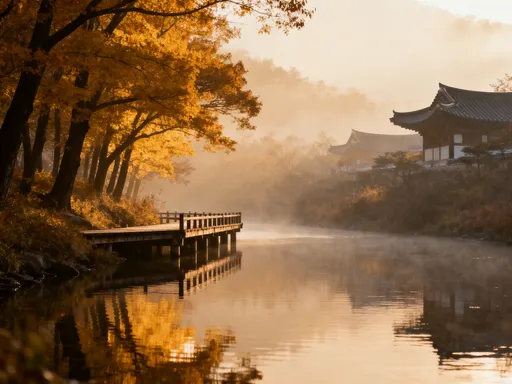
For those who appreciate visual storytelling, Jeonju’s protected zones offer an abundance of naturally framed compositions. One standout location is a curved wooden bridge near the upper Palbok River, where still water acts as a mirror at dawn. Arriving just after sunrise, when fog hovers just above the surface, creates ethereal reflections of trees and sky. The scene requires no filter—just a steady hand and a phone set to HDR mode or a lightweight mirrorless camera with a wide-angle lens. Even basic smartphone cameras capture the delicate interplay of light and shadow when held horizontally to include both land and reflection.
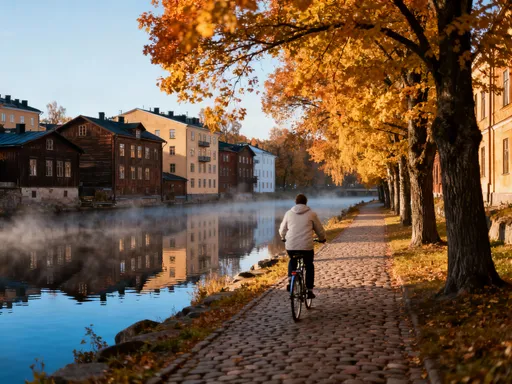
Another ideal spot is a tree-lined path within the Deokjin ecological buffer zone, where zelkova trees arch overhead to form a natural cathedral. In late afternoon, slanted sunlight pierces through gaps in the canopy, casting long, dramatic rays across the trail. This dappled effect works beautifully for both landscape shots and silhouette portraits. For best results, position the sun behind the subject and use spot focus to highlight edges illuminated by light. A small tripod can help stabilize shots in lower light, especially on overcast days when contrast is softer.
Photographers will also appreciate the seasonal variety these spaces provide. In early June, the lotus pond in Deokjin Park bursts into bloom, with pink and white flowers rising above broad green pads. Shooting from a low angle—kneeling or using a phone on the ground—creates a sense of immersion, as if standing within the pond itself. By late September, ginkgo trees along the riverbanks turn a luminous gold, their fan-shaped leaves carpeting the ground. Backlighting enhances their translucency, making them glow like stained glass.
What sets these locations apart from typical tourist photo ops is their authenticity. There are no staged backdrops, no paid photo zones, and rarely even crowds to disrupt the scene. The beauty is organic, evolving daily with weather and season. This means repeat visits yield fresh perspectives—fog one morning, clear reflections the next, fallen leaves weeks later. For those who value genuine moments over perfectly curated images, these spaces are a gift.
How to Visit Responsibly and Still Get the Shot
With growing interest in nature photography, the responsibility to protect these fragile environments grows stronger. The very qualities that make Jeonju’s protected zones so photogenic—clean water, undisturbed wildlife, unspoiled trails—depend on mindful behavior. Staying on marked paths is one of the simplest yet most effective ways to minimize impact. Soil compaction from foot traffic can damage root systems and increase erosion, especially along riverbanks where vegetation plays a crucial role in stabilizing the soil.
Another key practice is avoiding flash photography near water or dense foliage, particularly during early morning or dusk when animals are most active. Sudden bright light can disorient birds and small mammals, disrupting natural behaviors. Instead, rely on natural light and adjust camera settings to higher ISO when necessary. Many modern smartphones have night mode features that perform well in low light without artificial flashes. If using a dedicated camera, a small reflector or portable diffuser can help balance exposure without disturbing the environment.
Equally important is packing out all trash, including biodegradable items like fruit peels or snack wrappers. While apple cores may decompose, they attract pests and introduce non-native organic matter that can alter soil chemistry. Carrying a small reusable bag for waste ensures nothing is left behind. Similarly, refraining from picking flowers, moving stones, or carving names into trees preserves the integrity of the space for future visitors.
Quiet behavior enhances both personal experience and photographic authenticity. Speaking softly and moving slowly increases the chances of witnessing natural moments—a kingfisher diving for prey, a turtle basking on a log, mist rising off the water. These unplanned encounters often make the most memorable images. By respecting the space, visitors ensure that its beauty remains not only intact but shareable for years to come. Preservation and photography, when practiced together, become acts of care rather than consumption.
Blending Culture with Nature: A Full-Day Itinerary
A visit to Jeonju reaches its fullest expression when culture and nature are experienced in harmony. Begin the day at sunrise with a walk along the Palbok River corridor, when the air is cool and the light soft. After an hour of quiet immersion, return to the city center for a traditional breakfast of kongnamul gukbap—bean sprout soup served with rice—at a family-run restaurant near Gyeonggijeon Shrine. The warmth of the broth and the simplicity of the meal ground the morning’s ethereal beauty in everyday comfort.
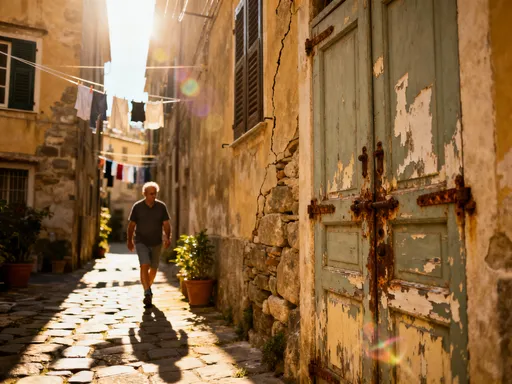
By mid-morning, shift focus to the Hanok Village. Wander its alleys, step inside restored houses, and perhaps try your hand at making a small patchwork bojagi cloth during a cultural workshop. Unlike larger heritage sites, Jeonju’s village retains a lived-in quality—laundry hangs between houses, cats nap on sun-warmed tiles, and elders sit outside sipping barley tea. This authenticity makes the experience feel intimate rather than performative.
After lunch—perhaps a modern twist on bibimbap at a café with a rooftop garden—rent a bicycle from a downtown station and ride along the greenway that connects the city to Deokjin Park. These dedicated bike lanes minimize traffic exposure and allow riders to enjoy the passing scenery at a relaxed pace. Upon arrival, take a shaded trail along the river’s edge, pausing at benches to rest and observe dragonflies skimming the surface.
As afternoon turns to evening, head back toward the food alley near Jeondong Cathedral. Here, small stalls serve regional specialties: hotteok filled with brown sugar and nuts, tteokbokki with chewy rice cakes, and yakgwa honey cookies. Eating while seated on low plastic stools fosters a sense of community, even among strangers. The day concludes not with exhaustion but with satisfaction—a sense of having touched multiple layers of Jeonju’s identity, from its historical roots to its living landscapes.
Why This Side of Jeonju Deserves Your Attention
In an age of instant gratification and curated feeds, the quiet beauty of Jeonju’s protected zones offers a rare antidote. These spaces do not shout for attention. They do not require hashtags or influencer endorsements to validate their worth. Instead, they exist with a kind of patient dignity, inviting those who seek more than surface-level experiences. To walk these trails is to participate in a slower, more intentional form of travel—one that values presence over productivity, observation over ownership.
There is emotional resonance in discovering a place untouched by crowds. It stirs a sense of privilege, not because access is exclusive, but because the experience feels personal. A heron taking flight at dawn, the sound of leaves crunching underfoot, the way sunlight dances on water—these moments are fleeting, unrepeatable, and deeply felt. They remind us that travel, at its best, is not about ticking boxes but about expanding inner landscapes.
Jeonju’s commitment to preserving these natural areas reflects a broader shift in how destinations can be experienced. Rather than promoting growth at all costs, the city demonstrates that restraint can be powerful. By protecting its green corridors, it ensures that future generations—both local and visiting—will inherit not just cultural landmarks but living ecosystems. This balance between preservation and access is not easy to achieve, yet Jeonju manages it with grace.
For the thoughtful traveler, especially women between 30 and 55 who often juggle family, work, and self-care, these spaces offer something invaluable: permission to pause. They provide a sanctuary where one can breathe deeply, walk without agenda, and reconnect with nature’s steady rhythms. In doing so, they restore a sense of calm that extends far beyond the trip itself.
Jeonju’s protected areas aren’t just scenic backdrops—they’re living spaces where nature and culture quietly coexist. By visiting them mindfully, travelers don’t just capture beautiful images; they become part of a larger story of preservation and appreciation. The next time you plan a trip, ask yourself: Am I seeing the whole picture? Because sometimes, the most unforgettable moments happen where the crowds aren’t.